


 cxl@jihengfeng.com
 Español
 Français
 日本語
日本語
 العربية

- Blow Molding Die and Equipment Compatibility Adjustment: Technical Measures to Improve Production Stability
- Key Factors for Extending the Lifespan of Blow Molding Dies: 5 Essential Points to Avoid Common Operational Mistakes
- Stretch Blow Molding Dies vs. Extrusion Blow Molding Dies: Process Differences and Application Scenarios Comparison
Blow Molding Tooling - Machining Shop
- Category:Production equipment
- Hits:147次
- Release Date:2025-08-19
- Share:
- Details
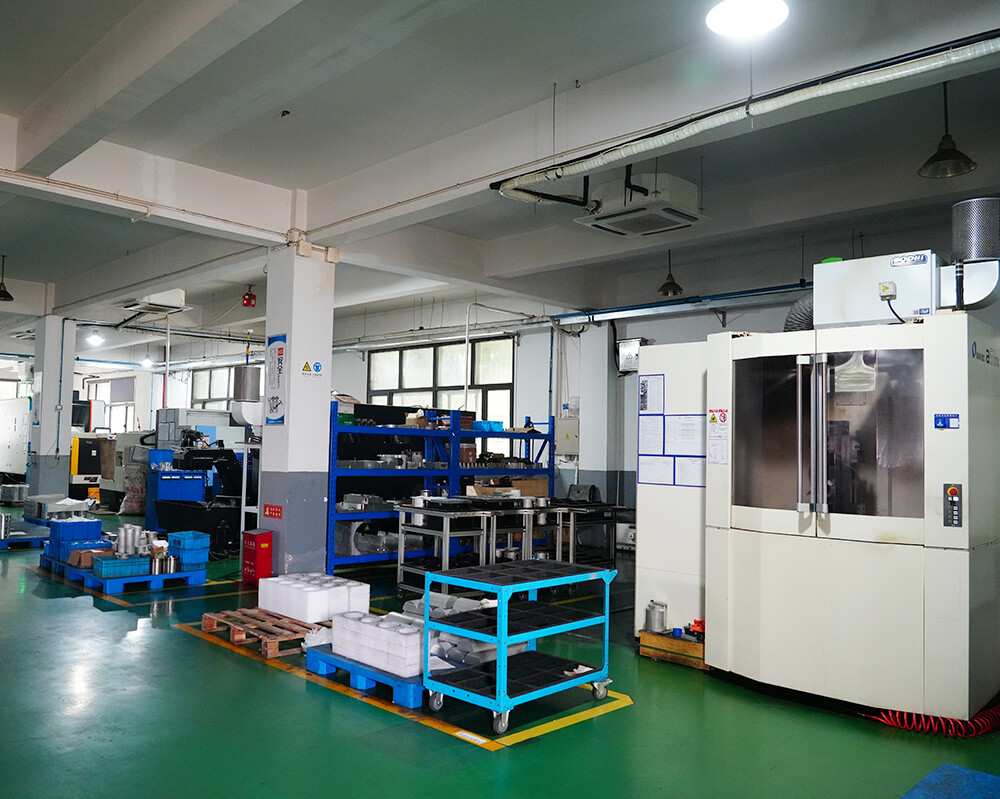
In the subcontracting system for non-standard packaging machinery molds and components, the logistics flow and process rhythm design of the workshop directly determine machining efficiency and dimensional stability. We adopt a process-centralized layout logic, reasonably dividing the roughing, semi-finishing, and finishing areas. Dedicated shelving is set up between them as Work-In-Process (WIP) buffer zones. The core engineering purpose of this design is not only to reduce machine idle waiting time but, more importantly, to prevent the residual stress generated during roughing from interfering with subsequent finishing operations, controlling deformation right from the process source.
To meet the spare parts demands of high-end beverage packaging lines, we strictly implement high interchangeability standards in our manufacturing system. Routinely, we are primarily responsible for manufacturing molds and spare parts for blow molding machines, filling machines, and labeling equipment that are compatible with brands such as Sidel, Krones, KHS, and Tetra Pak. The machining difficulty of these components lies in the fact that they must not only meet the single-part drawing tolerances but also guarantee direct replacement capability of parts from the same batch or even across different batches on the customer's site equipment. Therefore, strict confirmation of the process state must be conducted at every node of the WIP transfer process; no datum misalignment is allowed.
The control of the subcontracting area is a critical link in the entire manufacturing loop. The racking system here essentially acts as the quality inspection and handover hub between processes. Workpieces of different materials and different heat treatment states are managed through classified fixed-position management. For instance, the machining cycles of aluminum mold components and stainless steel guide rails differ significantly. Through physical isolation in the buffer area and status ID cards, material mixing is effectively prevented, and semi-finished products are ensured against microscopic dimensional changes caused by environmental temperature/humidity fluctuations or surface rust while waiting for finishing or external processing.
Through this process-driven flexible manufacturing management, we achieve a seamless transition from single-piece prototyping to batch subcontracting. The engineering team does not need to re-plan logistics paths every time we switch orders for components of different brands. The standardized material transfer mechanism, the process documentation traveling with the parts, and the clear shelving zone division make the data of the entire machining process fully traceable, fundamentally guaranteeing the delivery reliability of complex packaging machinery components.


